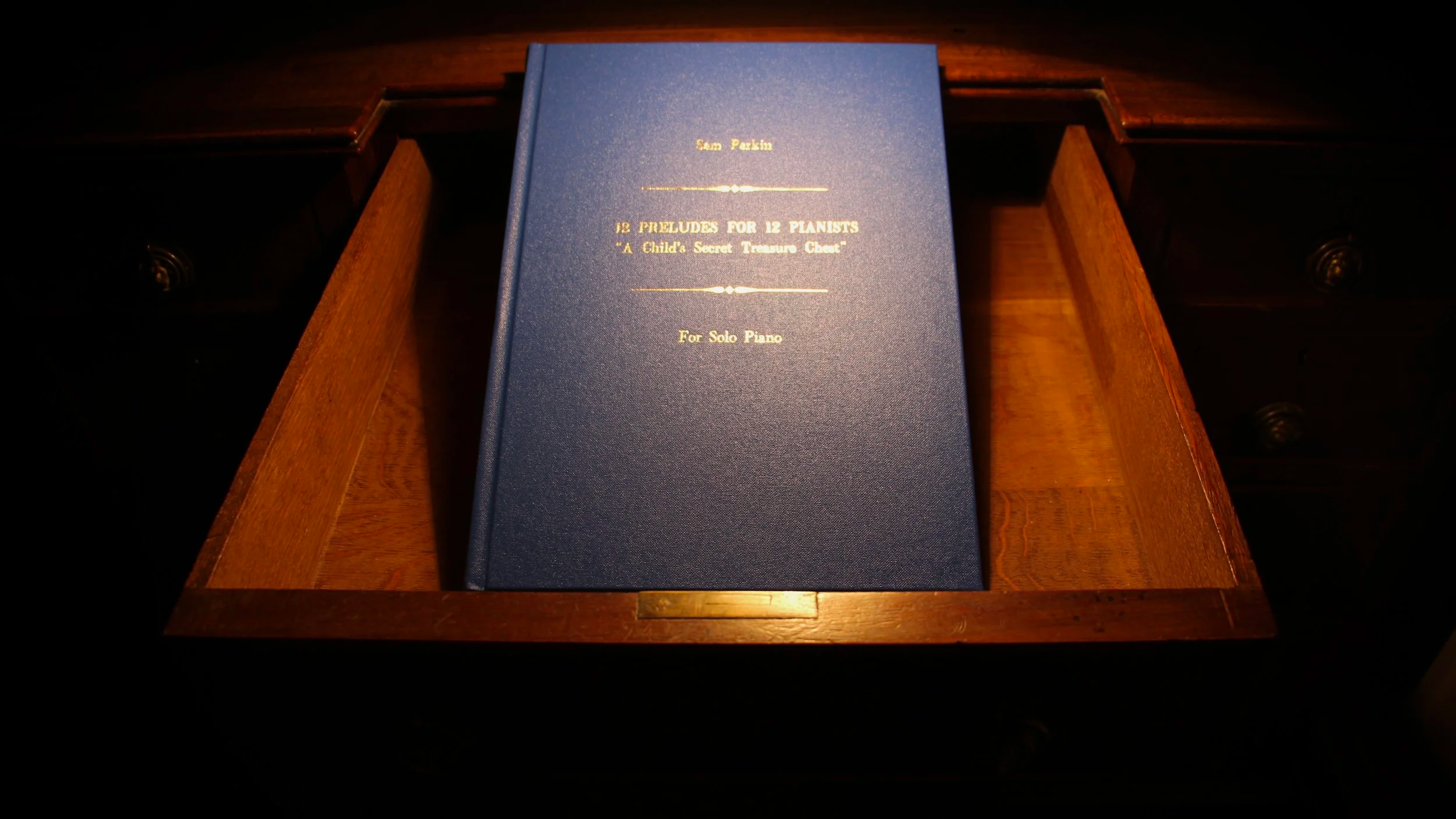
12 PRELUDES FOR 12 PIANISTS
“A Child’s Secret Treasure Chest”
Composed by Sam Perkin
For Solo Piano
(2024 - 2026)
12 Preludes for 12 Pianists
This is the child’s secret treasure chest. A box of wonder. Fragile. Precious. This suite of 12 Preludes for 12 Pianists for solo piano is an intensely personal set of pieces inspired by, and dedicated to: Childhood. Each of the ideas I have kept safe for a very long time, only now letting them see the light of day. Throughout the collection we explore wonder, innocence, freedom, serenity, love, discovery, beauty, delight, perfection, the feeling of genuine aliveness, ecstasy, and the end of innocence.
A Meeting Of Piano Worlds
Blending the worlds of Classical, Contemporary & Traditional Irish Piano, 12 Preludes for 12 Pianists is an attempt at creating something special. This set of pieces was composed for twelve pianists who have inspired me along my journey, six from Ireland and six from abroad. Each prelude was written especially for the pianist to whom it is dedicated, with their individual playing style and personal character in mind. My cherished treasure chest of ideas, collected over many years, has been bonded to each of these pianists: Vicky Chow, Nathalia Milstein, Finghin Collins, Hugh Tinney, Izumi Kimura, Eliza McCarthy, Cormac McCarthy, Ryan Molloy, Isabelle O’Connell, Máire Carroll, Fiachra Garvey & James McVinnie.
One Concert - One Instrument
Listening to two pianists in a concert often encourages us to compare, whereas here we have twelve different pianistic approaches, making it near impossible to relegate ourselves to mere simple comparison. Instead, we get to see and hear twelve individual ways of perceiving the piano, and to revel in twelve different pianistic worlds, through the lens of childhood. What a joyous way to witness our differences.
12 Pianistic Worlds - 12 Ways Of Somatically Experiencing The Piano
Witnessing twelve different approaches in how twelve different top pianists somatically relate to the haptics of piano-playing is an exciting prospect. We as the audience will be firsthand observers of the twelve pianists’ individual approaches to physicality, touch, gesture, movement, musicality, and the perception of childhood. The unique subtleties in their relationship with the piano will become clear as 12 Preludes for 12 Pianists unfolds, through one truly unique concert.
THE PIANISTS



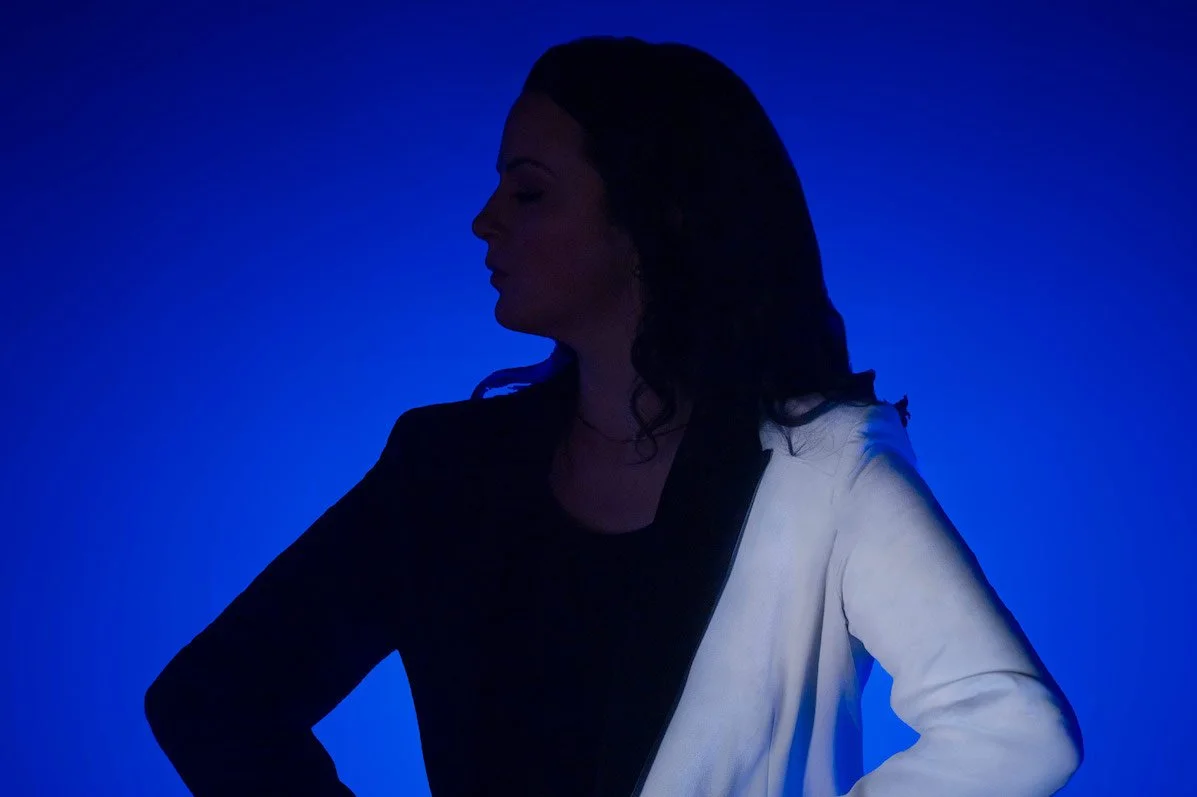



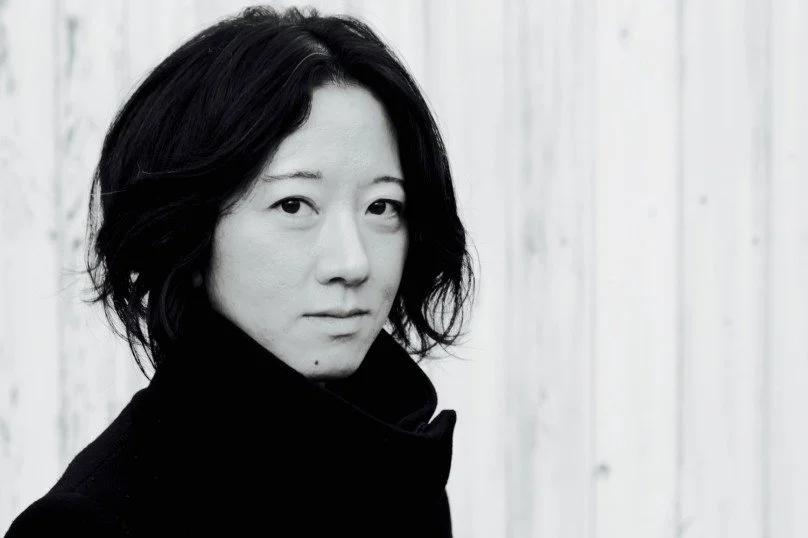
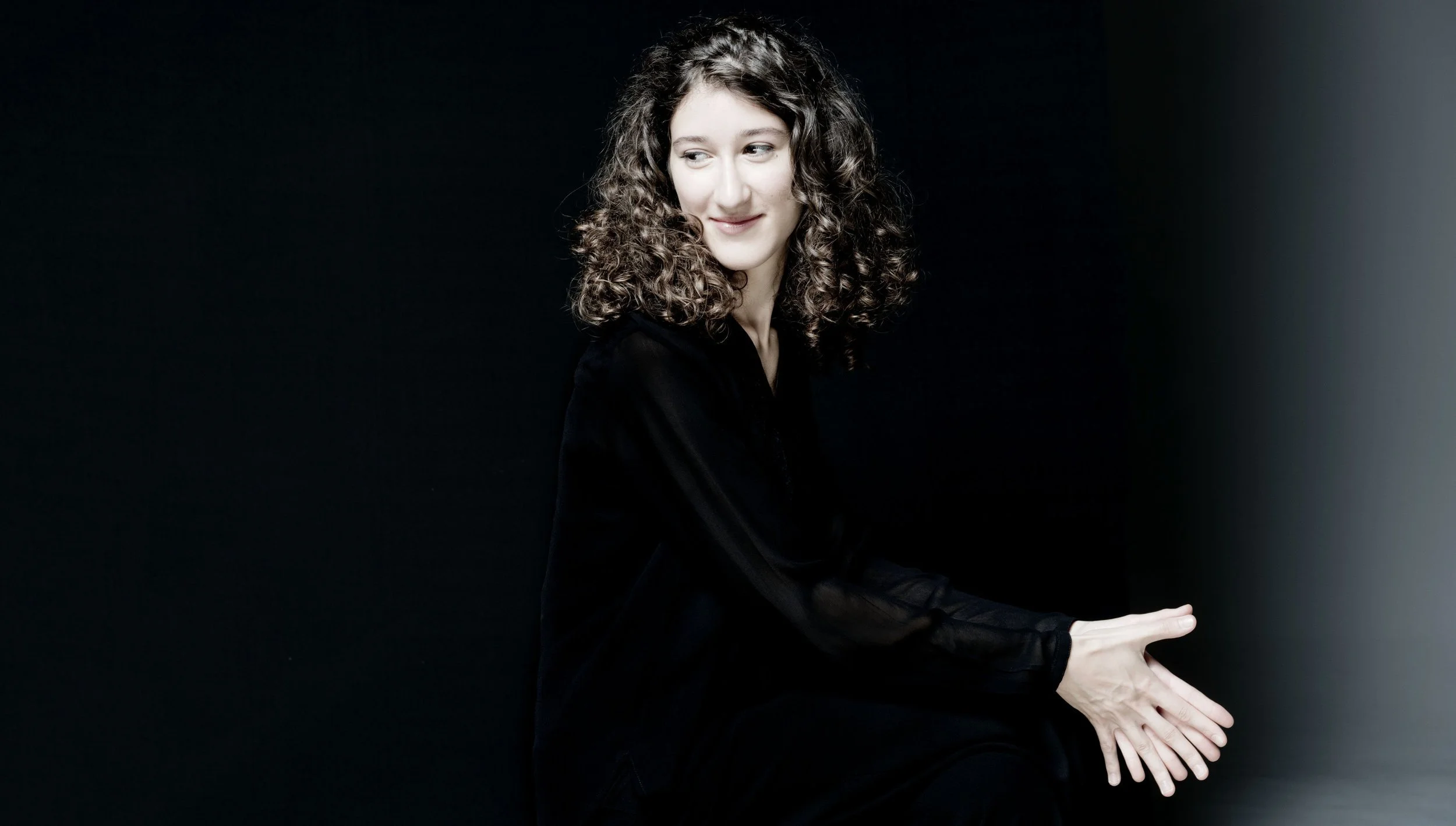
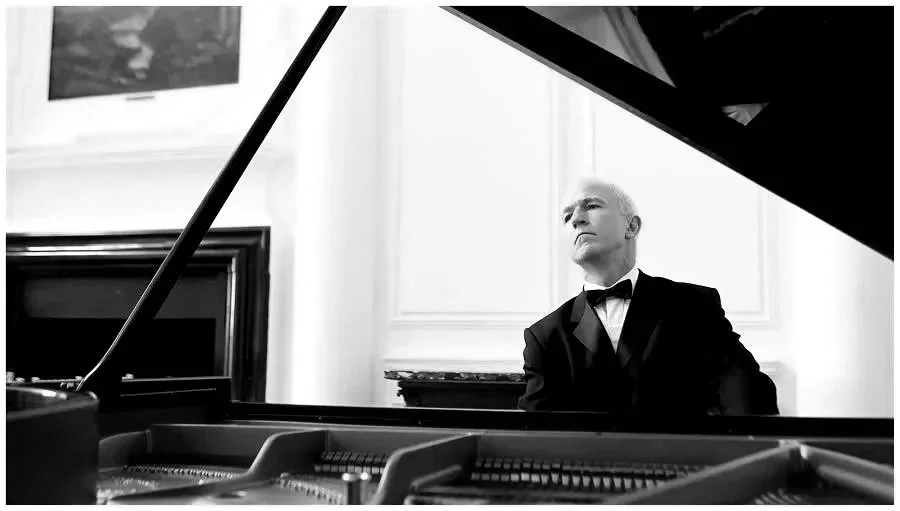
12 PRELUDES FOR 12 PIANISTS
Prelude No. 1. “I Arise Today”
Dedicated to Cormac McCarthy (IRELAND)
Circa 5 min
Prelude No. 2. “The Source Of Your Smile”
Dedicated to Nathalia Milstein (FRANCE)
Circa 6 min
Prelude No. 3. “With Clear Eyes”
Dedicated to Finghin Collins (IRELAND)
Circa 6 min
Prelude No. 4. “The Hermit Crab Says Wait”
Dedicated to Izumi Kimura (IRELAND / JAPAN)
Circa 9 min
Prelude No. 5. “Angel Of The Ocean”
Dedicated to Fiachra Garvey (IRELAND)
Circa 4 min
Prelude No. 6. “They Are The Ones Who Summon The Wind”
Dedicated to Hugh Tinney (IRELAND)
Circa 7 min
Prelude No. 7. “The Radiance Of The Moon”
Dedicated to Vicky Chow (USA)
Circa 9 min
Prelude No. 8. “I Know What My Prayer Is”
Dedicated to Máire Carroll (IRELAND)
Circa 5 min
Prelude No. 9. “I Will Meet You There”
Dedicated to Isabelle O’Connell (IRELAND / USA)
Circa 4 min
Prelude No. 10. “Raindance On The Astroturf”
Dedicated to Ryan Molloy (IRELAND)
Circa 7 min
Prelude No. 11. “Place Me On The Tongue Of The One Who Needs My Taste”
Dedicated to Eliza McCarthy (USA / UK)
Circa 7 min
Prelude No. 12. “Peter Pan Fading Away”
Dedicated to James McVinnie (UK)
Circa 8 min
INSPIRATION
A Child’s Secret Treasure Chest
This is the child’s secret treasure chest. A box of wonder. Fragile. Precious. This suite of 12 Preludes for 12 Pianists for solo piano is an intensely personal set of pieces inspired by, and dedicated to: Childhood. Each of the ideas I have kept safe for a very long time, only now letting them see the light of day. Throughout the collection we explore wonder, innocence, freedom, serenity, love, discovery, beauty, delight, perfection, the feeling of genuine aliveness, ecstasy, and the end of innocence. Each musical idea was gifted to me from afar and, although I am just the intermediary and it is so easy to get in the way, a delicate dance must take place. The ever-painstaking work of the composer is often to know how to get out of the way and let the music be what it wants to be. In each piece, my intention was to make sure that the inherent quality of each musical idea is cherished with integrity.
A Pilgrimage To Childhood
The preludes as a whole are structured in such a way as to provide a special journey, not only in terms of a voyage through music, though also as a pilgrimage to childhood for the performer and for the listener.
Titles
The titles of the twelve preludes come from the following writers, poets, people and sources: Sophie Strand (Numbers 4, 8 and 11), Paul Kingsnorth (Numbers 3, 9 and 10), Saint Patrick’s Breastplate (Numbers 1 and 7), and Thich Nhat Hanh (Number 2). I give my gratitude, inspiration and love to the above for their artistry. I myself (Sam Perkin) wrote the titles for the rest (Numbers 5, 6 and 12).
PROGRAMME NOTES
Prelude No. 1
“I ARISE TODAY”
Lilting (Explores Wonder)
Dedicated to Cormac McCarthy
We awake in a magic garden.
Our sense of wonder is pure and real.
We turn our gaze at every corner.
What is this place we have been born into?
Cormac and I grew up together.
The Irish lilt in his playing is like a fresh forest spring.
Prelude No. 2
“THE SOURCE OF YOUR SMILE”
Fragile & Steady (Explores Innocence)
Dedicated to Nathalia Milstein
We smile for no reason in this garden.
Why do we do this? Our smile is pure and real.
We smile with others and with ourselves, like a reflex.
My smile is precious, just like Nathalia’s playing, innocent to the world of the adults.
Prelude No. 3
“WITH CLEAR EYES”
Heavenly (Explores Freedom)
Dedicated to Finghin Collins
Our eyes are clear.
We see all that is around us.
Our piercing vision gives life to everything we find.
We do not see a section of what is real, we see it all.
Finghin’s sublime playing also does this.
He has managed to preserve his vision.
Prelude No. 4
“THE HERMIT CRAB SAYS WAIT”
Hypnotic (Explores Serenity)
Dedicated to Izumi Kimura
We crawl on the floor.
We look at the carpet, the dust, the dirt.
It is all sacred to us.
We find more life in the corner of a room than a grown-up could possibly imagine.
Izumi’s playing can suspend time, bringing us back to this place.
Prelude No. 5
“ANGEL OF THE OCEAN”
Quietly Confident (Explores Love)
Dedicated to Fiachra Garvey
We love those around us. All of them. Sweetly.
Our angelic smile is magnetic and can turn even the most sour of moods into joy.
Fiachra’s playing has the ability to transport us to this hypnotically angelic place where anything is still possible.
Prelude No. 6
“THEY ARE THE ONES WHO SUMMON THE WIND”
Soaring (Explores Discovery)
Dedicated to Hugh Tinney
Soaring and fluttering, we begin to float.
From above, we discover everything.
The wind takes us to places we could only dream of.
The wind is the artists.
Thanks to Hugh, we are euphoric and visit a long-lost memory, something that pulled us towards it.
Prelude No. 7
“THE RADIANCE OF THE MOON”
In The Clouds (Explores Beauty)
Dedicated to Vicky Chow
We are in the clouds now.
We resonate with the sound of the moon.
Its light carries us towards it, as we gently ride the merry-go-round.
Vicky’s playing hovers, floats and soars high in the clouds, everything we need to feel the radiance of the moon
Prelude No. 8
“I KNOW WHAT MY PRAYER IS”
Spirited (Explores Delight)
Dedicated to Máire Carroll
Above this moon, we delight in the wonder of being.
Our spirit resonates with the starlight through the night.
Its rhythm is ours.
Máire’s ecstatic playing guides us so perfectly and safely as we gently float to the ground.
Prelude No. 9
“I WILL MEET YOU THERE”
Provincial & Dusty (Explores Perfection)
Dedicated to Isabelle O’Connell
We have floated back down to the ground.
The landscape is one we know, the one we grew up in.
This perfect place is of us and we are of it, though we are bright-eyed and restless.
It takes someone like Isabelle to guide us safely elsewhere.
Prelude No. 10
“RAINDANCE ON THE ASTROTURF”
Lilting (Explores Aliveness)
Dedicated to Ryan Molloy
On our way, we dance and laugh, and then dance again.
Our suspicions concerning the silliness of the world of the adults do not affect us.
We are perfect as is.
This dance needs lilt and Ryan has the best in town.
With him, we dance with exuberance to where we need to go and we feel alive.
Prelude No. 11
“PLACE ME ON THE TONGUE OF THE ONE WHO NEEDS MY TASTE”
Overwhelming (Explores Ecstacy)
Dedicated to Eliza McCarthy
After all this dancing, we need a rest. What is this feeling?
I see you there and am overwhelmed.
By the glorious light of your eyes, I am suspended in heaven.
Have we landed where we are supposed to land?
Eliza is the only one with the power of wielding an answer for us.
Let’s ask her.
Prelude No. 12
“PETER PAN FADING AWAY”
With Anguish & Magic (Explores The End Of Innocence)
Dedicated to James McVinnie
The garden is now fading.
The world of the adults has arrived.
We float and fly, though with difficulty.
We howl in indignation.
Our inner-child is fading away.
Can Jamie’s playing help us to keep our smile?
With Anguish. And Magic. Yes.
COMPOSER’S NOTES
Serving The Idea
I really do feel that these pieces were more received than composed solely with individual intention alone. One has to learn how music works: counterpoint, harmony, rhythm, melody, articulation, dynamics, register, texture, timbre, tempo, proportion, structure, orchestration, observation, psychology, acoustics, the list is endless. But at a certain point you must consciously put all this to the side, to once again feel music as you did before the loss of innocence. If you succeed at putting all that to the side after having genuinely done your best, then you might have a shot at creating something sincere and honest. I have been composing for over 30 years, and over the last ten trips around the sun I have become more adept at working with an idea, uncompromisingly working with it. This means sticking with the idea, committing to it, entrusting yourself to the structure, to the will of the idea. It means listening fastidiously to where the idea wants to go, both structurally and inspirationally speaking. In doing so, you serve the idea best.
Emotion
The emotional sincerity that has been poured into these twelve preludes should not be underestimated. My own emotional self-observation as well as certain meetings I had with the pianists made this clear. A year and a half of emotional honesty was given to these twelve works. I usually always try to learn something while working and it was a very fruitful learning experience working on these pieces. I had to be very intentional about when I chose to work on them. It was essential to choose the right moment, not only in terms of the preservation of each individual idea, but also in terms of preserving my own personal balance. This is something I do not really hear talked about. From a very young age, I always felt that composing is very much about “creating the right conditions for an idea to flourish”. This therefore would indicate that what we do, as composers, off-table so to speak is just as important as what we do when we are in the act of writing. Throughout this year and a half of composing these twelve preludes (along with working on many other pieces elsewhere), I aimed in a holistic way in my life to create the right conditions for these ideas to flourish, while also preserving my own creative equilibrium. I did however have difficult moments along the way in which I wanted to, just as an example, finish one of them only to find that it was not the right moment. Deciding to stop writing until it is the right moment is incredibly important. Juggling the composition of these twelve preludes was, I felt, an exquisitely enjoyable balancing act.
Input From The Twelve Pianists
Firstly, I should say that each of the twelve chosen pianists did not know who the other ones were! Being in contact with the pianists was a joy and helped to keep me grounded. I was over the moon that the twelve pianists that I had initially asked to be part of this endeavour all said yes. After each prelude was complete, I sent each prelude to its pianist for them to proofread and suggest any potential revisions, however subtle. The subtlety that was woven into the revision process was everything I had been hoping for. It was truly and sincerely fascinating hearing from the twelve pianists each with, for example, their own perspectives and subtle shades of understanding when it comes to pedalling in a score. Having taken on board these different perspectives, there was a more coherent whole to the set, albeit while leaving a certain amount of interpretational freedom where necessary. The pedalling example is a good one, though it could equally apply to other subtleties such as articulation and texts used in the scores.
Pedalling
Lastly, I must mention something about pedalling. As I am, and always have been, so pedantic about the use of sustain pedal in my piano playing, I really had to think very carefully about how much detail to put into the scores in relation to this subject. Pedalling is such an intrinsic and key element of many of the musical ideas which form this set of preludes. As my pedalling tends to be so precise, it can often be seen as being overly pedantic. What can happen in this situation is that the composer simplifies the pedalling, often for example at the beginning of the score, and then leaves things open to interpretation, or similar. While this is perfectly acceptable in certain pieces, for others it can potentially lead to the deforming of the inherent musical idea. What I learned from working with the twelve pianists, when taken as a whole, is to be more sure of myself in the notation of my intended pedalling. This is therefore what I did in the scores and I could not be happier with the result. I hope you enjoy!
VIDEO PERFORMANCES
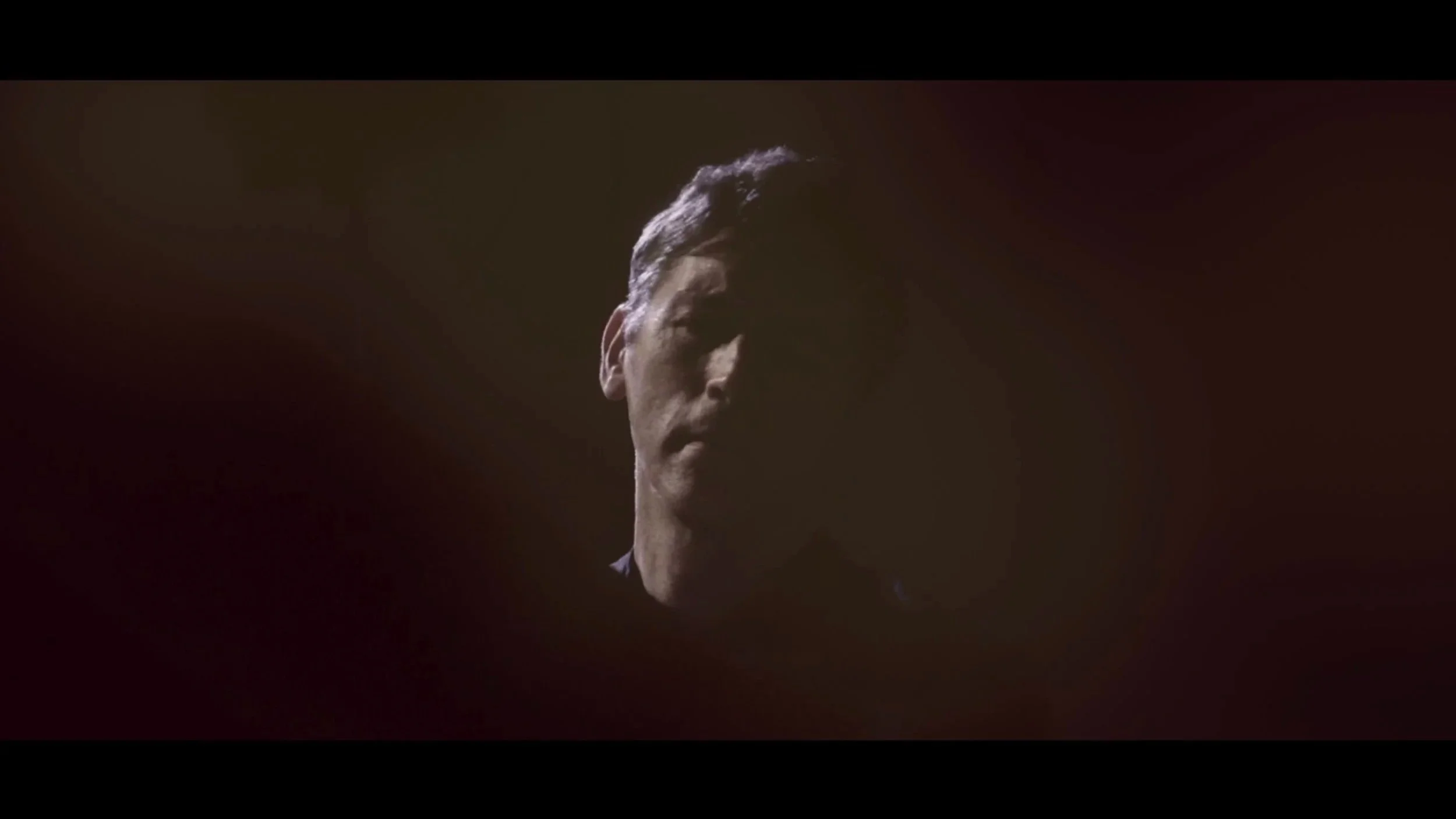
Prelude No. 3. “With Clear Eyes”
Performed by Finghin Collins

Prelude No. 8. “I Know What My Prayer Is”
Performed by Máire Carroll